
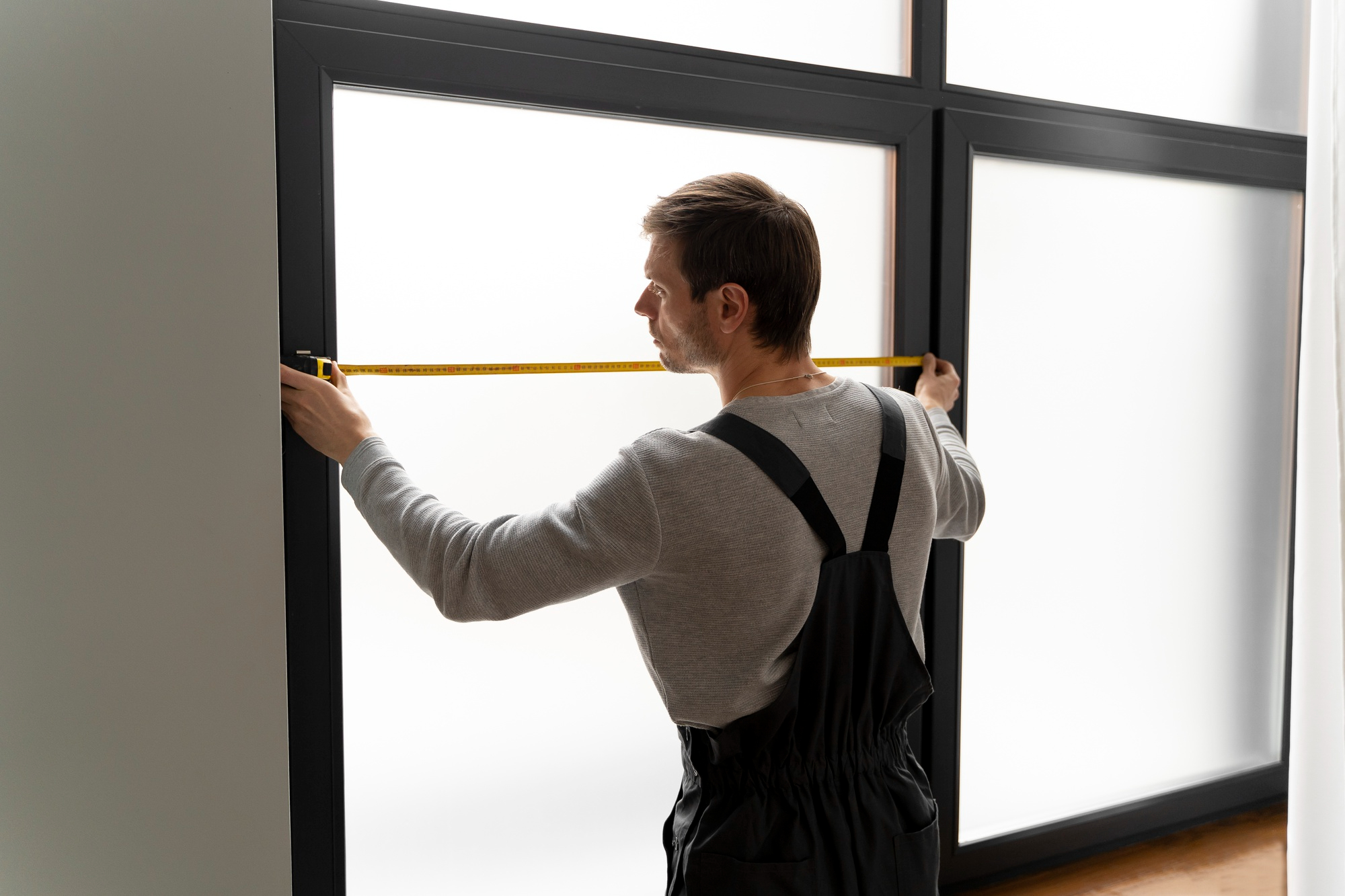
Installing blinds can look straightforward, but many homeowners only realise the risks once something goes wrong. From blinds that scrape against the window frame to brackets that loosen over time, most problems stem from preventable installation mistakes. This article covers the top mistakes to avoid when installing blinds, explaining why they happen and how to prevent them. By understanding these issues before you start, you can achieve a cleaner finish, better functionality, and blinds that perform well in South African conditions.
Mistake 1: Measuring Blinds Incorrectly
Incorrect measurements are the most common and costly installation error. Even small inaccuracies can prevent blinds from fitting or operating properly.
Recess vs Face Fit Measurements
Blinds must be measured based on how they will be mounted:
- Recess fit: Installed inside the window frame
- Face fit: Installed outside the window opening
Each method requires a different measuring approach. Confusing the two often results in blinds that are too tight or visibly oversized.
Why Small Errors Matter
Measurement mistakes can cause:
- Crooked blinds
- Difficulty raising or lowering
- Light gaps along the edges
To avoid this, follow a structured measuring guide for blinds before ordering. This prevents the most common blind installation mistakes homeowners make. Accurate measurements reduce the risk of replacement and reinstallation.
Mistake 2: Choosing the Wrong Type of Blinds
Blinds are not interchangeable across rooms. Choosing a style based only on appearance can lead to poor performance and early wear.
Matching Blinds to Room Function
Different spaces have different requirements:
- Kitchens and bathrooms need moisture-resistant materials
- Bedrooms benefit from improved light control and privacy
- Large windows require stronger support and stability
Blinds for South African Conditions
Heat, sun exposure, and humidity influence how blinds perform over time. Materials that work well elsewhere may struggle locally if not designed for South African homes.
Consulting blinds advice articles helps match the right blind type to each room and environment and avoid choosing the wrong blinds for your windows.
Mistake 3: Incorrect Bracket Placement and Clearance
Even well-measured blinds can fail if brackets are installed incorrectly.
Common Installation Errors
Typical mistakes include:
- Brackets that are not level
- Incorrect spacing between brackets
- Fixing into weak wall or frame areas
These issues often cause blinds to sag, jam, or pull away from the wall.
Clearance Around Handles and Frames
Window handles and frames can obstruct blind operation if clearance is not considered in advance. Correct bracket placement protects both the blind mechanism and surrounding surfaces.
Mistake 4: Rushing the Installation Process
Installing blinds too quickly increases the likelihood of long-term problems.
Skipping Instructions
Blind systems are designed to be installed in a specific order. Skipping steps can result in:
- Uneven operation
- Excessive wear on moving parts
- Reduced lifespan
Using Incorrect Tools
Improper tools often lead to stripped screws, cracked brackets, or damaged walls. Taking time to follow instructions carefully improves durability and performance.
Blindsonline products are supported by a quality guarantee, providing reassurance when installation is done correctly and reducing the risk of costly reinstallation.
Mistake 5: Assuming One Size Fits All
Ready-made blinds are designed for standard dimensions, which rarely match real-world windows.
Limitations of Off-the-Shelf Blinds
Common issues include:
- Visible gaps
- Poor alignment
- Reduced longevity
Advantages of Made-to-Measure Blinds
Made-to-measure blinds:
- Fit exact window dimensions
- Install more cleanly
- Operate more smoothly
- Deliver a more refined finish
Exploring made-to-measure blinds removes guesswork before installation begins and ensures a cleaner, more accurate fit.
Who This Guide Is Best For
This guide is most useful for:
- Homeowners installing blinds themselves
- Renters aiming to avoid window damage
- Buyers ordering blinds for the first time
It may be less suitable for those using professional installers, although understanding these mistakes still helps with preparation and product selection.
Conclusion
If you are still deciding between different window coverings, understanding installation requirements is essential. Comparing blinds and curtains before buying can help avoid unnecessary installation challenges later.
Most blind installation problems are avoidable with the right preparation. Accurate measurements, appropriate blind selection, careful bracket placement, and patience during installation all contribute to better results. By avoiding these common mistakes, blinds install more easily, function correctly, and last longer. If you want to reduce risk further, compare options, review guides, and choose solutions designed to fit your space.
FAQ: Installing Blinds
Can I install blinds myself?
Yes. Most blinds are suitable for DIY installation when measurements and instructions are followed carefully.
What happens if blinds are measured incorrectly?
Incorrect measurements often lead to blinds that do not fit or operate properly and may require replacement.
Are made-to-measure blinds easier to install?
Generally, yes. Because they are manufactured to exact dimensions, they reduce alignment and clearance issues.