
Blinds Articles & Guides
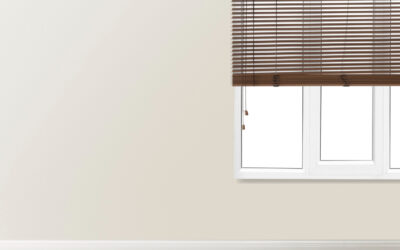
Types of Wooden Blinds in South Africa
Key Takeaways Wooden venetian blinds in South Africa are available in two main materials: basswood...
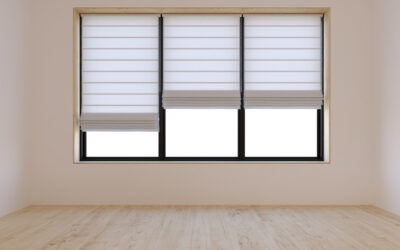
Zebra Blinds South Africa
How They Work, What They Cost, and Which Rooms They Suit Key Takeaways Zebra blinds (also called...
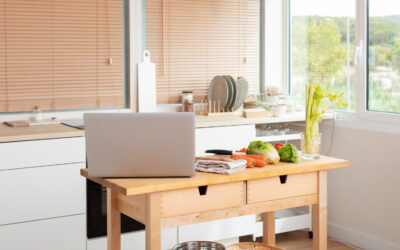
Blinds for Kitchens and Bathrooms: Best Moisture-Resistant Options
Key Takeaways Kitchens and bathrooms require blinds that handle humidity, steam, and...
Aluminium Venetian Blinds: Sizes, Colours and Which Rooms They Suit
Key Takeaways Aluminium venetian blinds use horizontal metal slats on fabric tapes,...
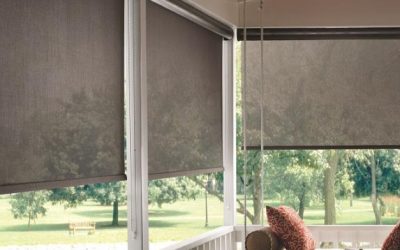
Outdoor Blinds South Africa: Options, Prices and What to Look For
Key Takeaways Outdoor blinds are built for sun, wind, and rain exposure on patios, stoeps,...
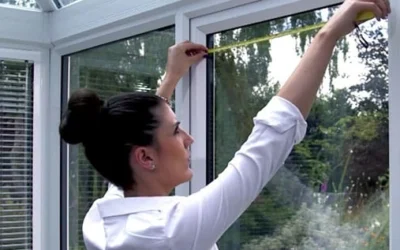
How to Measure Windows for Blinds: A Step-by-Step Guide
Key Take Aways Measure width first, then drop — always in millimetres. Inside mount blinds sit...

Honeycomb Blinds South Africa: Prices, Colours and Benefits
There's a reason honeycomb blinds tend to appear in conversations about both design and energy...

Vertical Blinds for Windows and Sliding Doors in South Africa
Vertical blinds consist of hanging louvres suspended from a top track, rotating to control light and privacy.
They are one of the most practical choices for wide windows and sliding or stacking doors.
Available in fabric, PVC, and aluminium, with varying levels of light control.
Custom sizing is essential for sliding doors — standard sizes rarely fit accurately.
Vertical blinds prices in South Africa vary by louvre width, material, and overall panel size.

Roller Blinds South Africa: Your Complete Buyer’s Guide
Roller blinds are a single-fabric window covering that rolls up and down on a tube mechanism above the window frame.
They are available in blackout, light-filtering, and screen/perforated fabrics.
Standard and custom sizes are available to fit most window types across South African homes.
Prices vary based on fabric type, size, and whether the blind is made to measure.
They suit most rooms and are among the lowest-maintenance window covering options available.
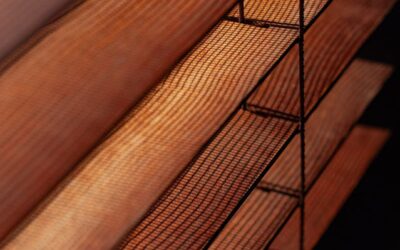
Caring for Faux Wood vs Real Wood Blinds
Summary:
Faux wood blinds (plaswood) resist moisture and can be cleaned using mild detergent and water.
Real wood blinds require dry dusting and minimal moisture to prevent warping.
Humid environments favour faux wood, while stable indoor spaces suit natural timber.
Maintenance differences influence lifespan, durability, and long‑term appearance.
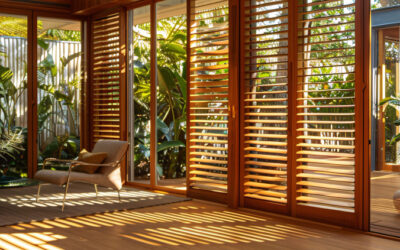
Outdoor Blinds South Africa: Best for Weather
Summary:
Outdoor blinds in South Africa must withstand intense sun, strong coastal wind, seasonal rain, and temperature fluctuations.
The right option depends on exposure level, material durability, and wind resistance rating.
PVC blinds provide full rain and wind protection while maintaining visibility.
Mesh and outdoor roller blinds prioritise airflow and UV reduction.
In Cape Town, corrosion-resistant fittings and wind-rated systems are critical for long-term durability.
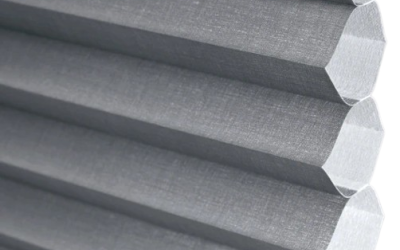
Energy Efficient Honeycomb Blinds Explained
Summary:
Reduce heat transfer through windows
Trap air inside structured cellular pockets
Create an insulating barrier at the glass surface
Reduce heat loss during winter
Limit heat gain during summer
Improve indoor temperature stability
Reduce reliance on heating and cooling systems
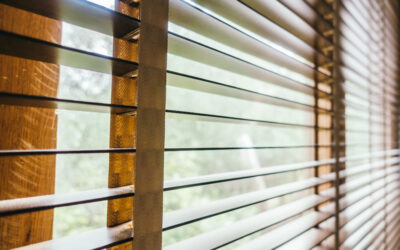
Aluminium or Wooden Venetian Blinds for SA Homes
Summary:
Cost: Aluminium blinds are generally more affordable, while wooden blinds tend to have a higher upfront cost.
Durability: Aluminium is highly resistant to moisture and environmental changes, whereas wood performs best in stable indoor conditions.
Moisture Resistance: Aluminium blinds are better suited for humid spaces such as bathrooms, kitchens, and coastal homes.
Appearance: Wooden blinds offer a warmer, more premium aesthetic compared to the sleek, modern look of aluminium.
Best Use Case: The ideal choice depends on the room environment, your budget, and the interior style you want to achieve.
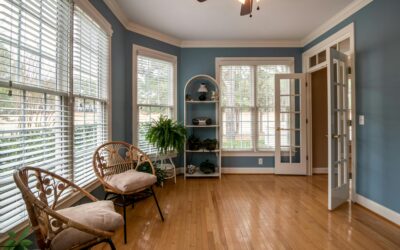
How to Choose the Perfect Blinds for Every Room in Your Home
Summary:
Choosing the right blinds improves light control, privacy, comfort, and energy efficiency throughout the home. Different rooms require different solutions, from moisture-resistant blinds in bathrooms to blackout options in bedrooms. The best blinds balance functionality, durability, and style while complementing your home’s overall design.
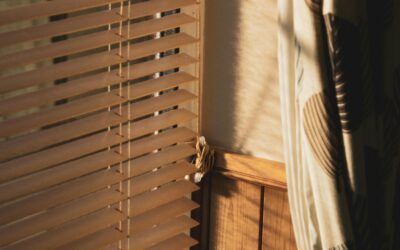
Blinds vs Curtains: Which Window Covering Suits Your Home?
Summary:
Blinds and curtains serve different purposes depending on light control, privacy, insulation, and style. Blinds offer precise light adjustment and a clean, modern look, while curtains provide softness, warmth, and stronger insulation. The right choice depends on room function, climate considerations, and how much control you need over light and privacy in your home.
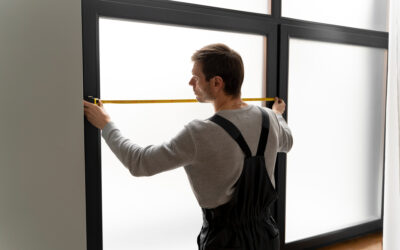
Top 5 Mistakes to Avoid When Installing Blinds
Summary:
Installing blinds successfully depends on accurate measurements, correct blind selection, proper bracket placement, and careful installation. The most common mistakes occur before drilling begins and often result in poor fit, operational issues, or damaged windows. Avoiding these errors ensures blinds sit correctly, operate smoothly, and last longer in South African homes.

How to Clean and Maintain Your Blinds for Longevity
Summary:
Cleaning and maintaining blinds requires regular dust removal, material-appropriate cleaning methods, and basic mechanical checks. Proper blind care reduces damage from dust, moisture, and sunlight, helping blinds operate smoothly and last longer. Different blind types require specific cleaning techniques to avoid warping, staining, or mechanical failure.
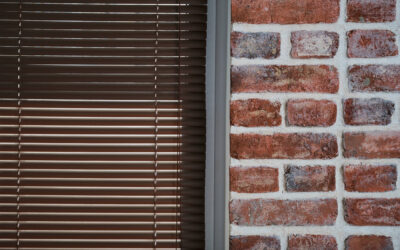
Made-to-Measure Blinds vs Off-the-Shelf: What You Gain
Summary:
Made-to-measure blinds are custom-built to fit exact window dimensions, while off-the-shelf blinds are produced in standard sizes. The key difference lies in fit, performance, and longevity. Made-to-measure blinds offer better light control, improved insulation, and a cleaner finish, whereas off-the-shelf options prioritise convenience over precision and often require compromises in function and appearance.
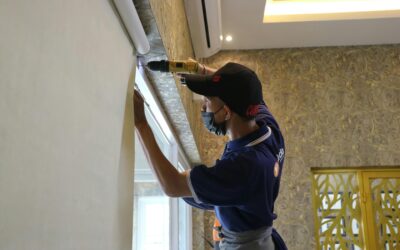
DIY Window Blinds Installation
Summary:
DIY blind installation can save money, reduce delays, and give homeowners more control over the process when done correctly. Accurate measurements, proper tools, and careful bracket alignment are essential for smooth operation and a clean finish. The guide also highlights common installation mistakes, maintenance tips, and practical ways to simplify the process while improving long-term blind performance.
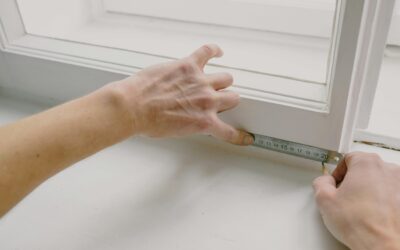
How to Measure Your Windows for Perfectly Fitted Blinds
Summary:
Accurate window measurements are essential for blinds that fit properly, operate smoothly, and look polished. This guide explains how to measure for inside and outside mount blinds, avoid common measuring mistakes, and account for different blind styles. Measuring carefully in millimetres ensures better light control, coverage, and long-term performance for custom blinds.