
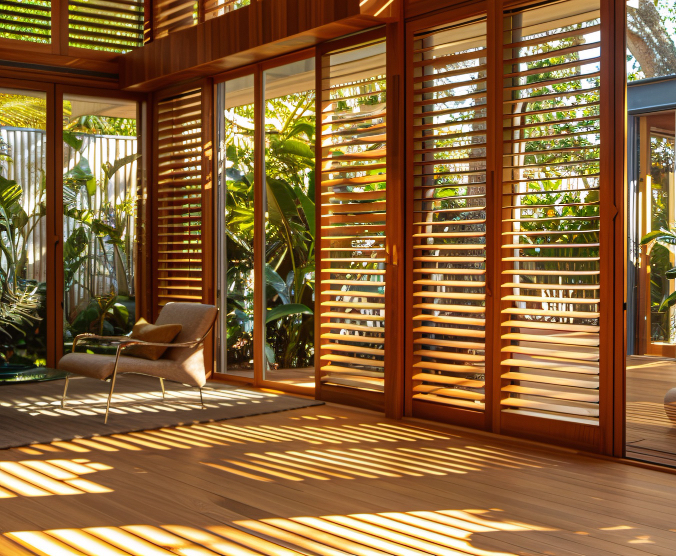
South African weather is not subtle. In Cape Town alone, you get intense UV exposure, coastal wind, winter rain, and sharp temperature swings, often in the same week. Choosing the right outdoor blinds South Africa solution is not about style alone; it is about durability and performance.
This guide breaks down the best materials, which blinds handle wind properly, what works for patios versus balconies, and where most homeowners make expensive mistakes. If you want outdoor blinds that last more than one season, this article clarifies exactly what to look for, and what to avoid.
Types of Outdoor Blinds for South African Conditions
Outdoor environments across South Africa vary significantly. Coastal homes face salt air and strong gusts. Inland properties deal with dry heat and dust. Winter rainfall regions require proper water management. The type of outdoor blind you choose must align with these environmental pressures.
Below are the most common exterior blind systems used in South Africa, and where each performs best. If you are comparing styles, you can explore the full Outdoor Blinds collection, to see available configurations and materials.
PVC Outdoor Blinds
PVC outdoor blinds are designed primarily for protection and enclosure. They create a clear physical barrier against wind and rain while still allowing visibility to the outside. This makes them a practical solution for patios that need to function year-round, regardless of weather.
Best for: Rain protection and visibility
PVC blinds are transparent and block wind and rain effectively.
Advantages:
- Excellent rain barrier
- Strong wind protection
- Maintains outdoor view
- Easy to clean
Limitations:
- Can trap heat
- Less breathable
- Lower-quality PVC may yellow over time
Ideal for enclosed patios and coastal balconies where weather protection is the primary goal.
Outdoor Roller Blinds (Mesh / Shade Cloth)
Outdoor roller blinds made from mesh or shade cloth focus on solar control rather than full enclosure. Instead of blocking the elements entirely, they filter sunlight, reduce glare, and maintain airflow. This makes them particularly suitable for warm climates where ventilation is important.
Best for: Sun control and airflow
These are among the most popular outdoor patio blinds in South Africa.
Advantages:
- High UV reduction
- Allows ventilation
- Reduces glare
- Clean, modern appearance
Limitations:
- Not fully waterproof
- Requires proper wind anchoring
Suitable for patios needing sun control without fully enclosing the space. You can compare available Outdoor Roller Blinds to review fabric densities and control mechanisms.
Outdoor Zip-Track Blinds
Zip-track systems are engineered for structural stability. Unlike standard drop blinds, the fabric is locked into side channels, preventing lateral movement during strong wind. This makes them a preferred option in exposed areas such as coastal Cape Town properties.
Best for: High-wind areas like Cape Town
Zip systems secure the fabric within side channels, preventing movement in wind.
Advantages:
- Excellent wind resistance
- Streamlined finish
- Improved insulation
Limitations:
- Higher upfront cost
- Requires precise installation
For exposed patios, this is often the most durable long-term option.
How to Choose Based on Cape Town Weather
Cape Town’s climate presents a specific combination of challenges: strong seasonal winds, high UV levels, and winter rainfall. Selecting outdoor blinds without evaluating these factors often leads to premature wear or failure. The following considerations should guide decision-making.
Wind Exposure
Wind is the most underestimated factor when choosing outdoor blinds in Cape Town. Areas facing open coastline, elevated terrain, or wide open suburbs experience consistent gust pressure. Standard drop-down systems may flap, strain, or tear if not reinforced.
If your patio faces open coastline or elevated terrain:
- Avoid loose-drop systems
- Choose side-channel or zip systems
- Use stainless steel or corrosion-resistant fittings
Proper anchoring and professional installation are critical in high-wind zones. For installation guidance in the Western Cape, see our installation guide.
Sun Intensity
South Africa’s UV index remains high throughout the year. Continuous sun exposure not only affects comfort but also degrades lower-quality fabrics and hardware over time. Selecting UV-stabilised materials significantly extends lifespan.
Look for:
- UV-rated fabric (90–95% blockout)
- Fade-resistant materials
- Heat-reflective coatings
Solar control fabrics reduce indoor heat gain while still allowing outward visibility.
Rainfall Considerations
Cape Town’s winter rainfall season requires proper water management. Blinds that are not designed to handle water runoff can sag, stain, or develop mould if drainage is not considered.
For winter rainfall regions:
- PVC provides full enclosure
- Mesh requires proper slope and drainage planning
Water resistance is not the same as waterproofing; ensure the system matches your enclosure expectations.
Pros and Limitations of Outdoor Blinds
Pros
- Extends usable outdoor space
- Reduces UV damage to furniture
- Improves privacy
- Helps regulate temperature
Limitations
- Not all systems withstand strong wind
- Lower-grade materials degrade quickly
- Incorrect installation shortens lifespan
Who Outdoor Blinds Are Best For
Best suited to:
- Homeowners with patios or balconies
- Coastal properties
- Entertainment areas
- Restaurants and cafés
Not ideal for:
- Extremely exposed mountain ridges without structural support
- Areas lacking secure anchoring points
Common Mistakes When Choosing Outdoor Blinds
- Choosing based on price alone
- Ignoring wind exposure
- Installing indoor blinds outdoors
- Using non-corrosion-resistant fittings near the coast
Frequently Asked Questions
Are outdoor blinds waterproof?
PVC outdoor blinds are waterproof. Mesh and shade cloth blinds are water-resistant but not fully waterproof.
Do outdoor blinds handle strong wind?
Only wind-rated systems such as zip-track or side-channel blinds perform reliably in strong Cape Town wind conditions.
How long do outdoor blinds last?
High-quality outdoor blinds typically last 5–10 years depending on exposure levels and material quality.
Conclusion
Outdoor blinds South Africa homeowners choose must match climate reality, not just aesthetics. Wind resistance, UV protection, and material durability determine lifespan more than colour or style.
For coastal regions like Cape Town, secure track systems and corrosion-resistant fittings are critical. For sun-heavy patios, UV-rated mesh may be sufficient.
Choose based on exposure, not assumption, and you will get long-term performance instead of seasonal replacement. Reviewing outdoor blinds South Africa options carefully ensures you select weatherproof outdoor blinds suited to your exact patio or balcony conditions.