
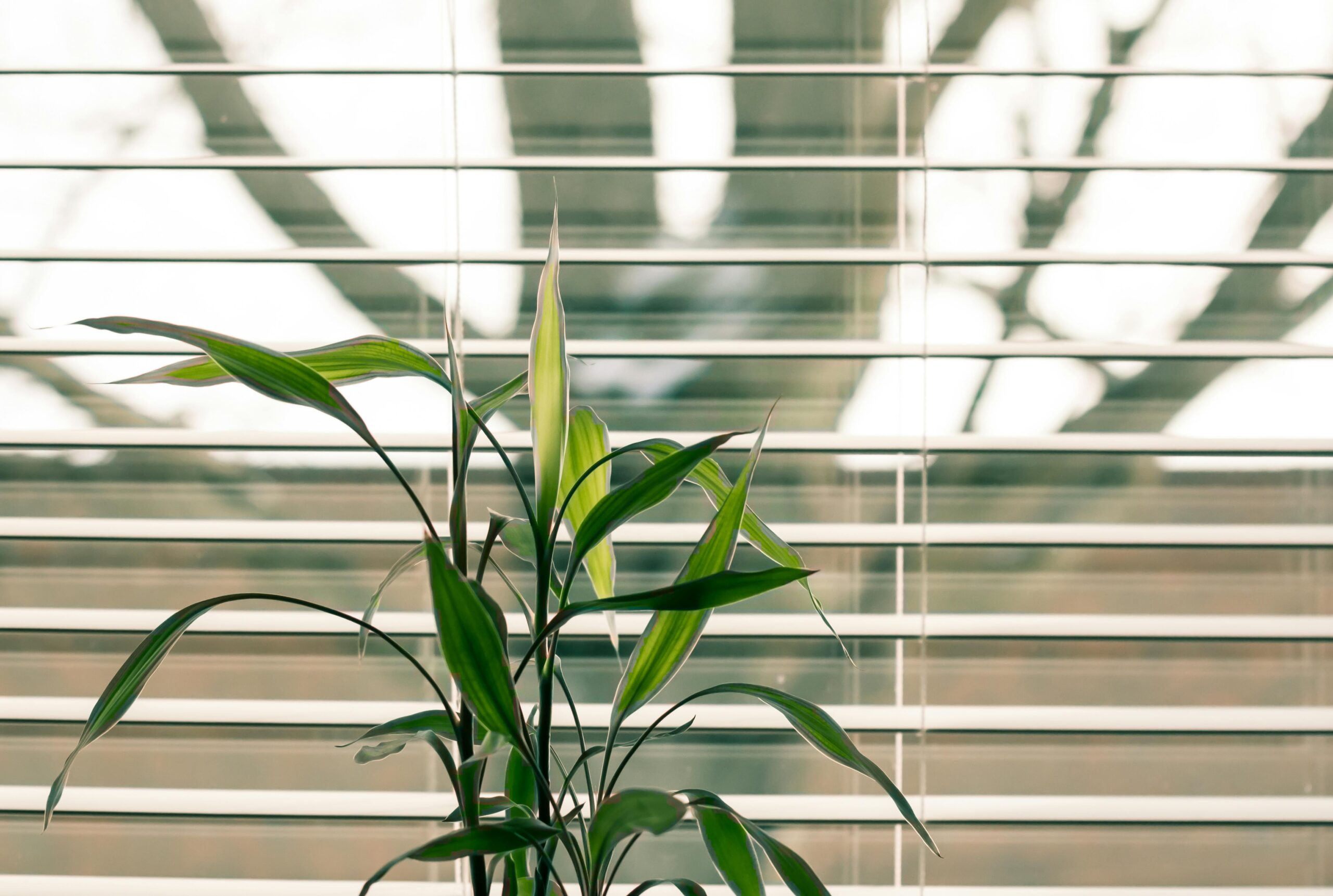
This article explores the top window blind trends in South Africa 2026, cutting through surface-level aesthetics to focus on performance, longevity, and relevance to local living. You’ll see which blind types are rising in popularity, why they matter in a South African context, and how to choose future-proof window coverings that balance form with function.
South African homes are changing their posture. Windows are no longer passive openings dressed at the end of a build; they are active design decisions, shaping light, temperature, privacy, and mood. As we move into 2026, homeowners are asking sharper questions: how do blinds reduce energy costs, can they integrate with smart homes, and can they be sustainable without compromising style?
Trend 1: Smart Blinds and Home Automation Take Centre Stage
Smart homes are no longer aspirational, they are operational. In 2026, smart blinds in South Africa are shifting from luxury to expectation, particularly in new builds and renovated urban homes.
Why Smart Blinds Matter in 2026
Motorised blinds offer:
- Scheduled opening and closing to manage heat and glare
- Reduced wear through consistent, controlled movement
- Improved accessibility for large or hard-to-reach windows
Smart Functionality Meets Familiar Blind Types
Automation aligns most naturally with Roller Blinds and Zebra Blinds. Both styles use clean, linear mechanics that pair seamlessly with motorised systems.
Roller blinds suit minimalist interiors and wide window spans, while zebra blinds combine automation with layered light control, ideal for open-plan living spaces. In Johannesburg and Pretoria, where double-storey homes with large stairwell windows are common, motorised roller and zebra blinds allow homeowners to control light and privacy without relying on ladders or manual chains. Explore motor-ready roller blinds and zebra blinds for modern South African homes.
Trend 2: Eco-Friendly and Sustainable Blind Materials
Sustainability in 2026 is not decorative, it is deliberate. Homeowners are increasingly choosing blinds based on lifespan, material responsibility, and suitability for specific rooms.
Natural and Low-Waste Material Choices
Two blind types stand out:
- Wooden Blinds: natural, warm, and durable, ideal for living spaces and bedrooms
- Plaswood Blinds: moisture-resistant and long-lasting, well suited to kitchens, bathrooms, and coastal homes
Sustainability Without Compromising Practicality
Wooden blinds appeal to homeowners prioritising natural textures, while plaswood blinds provide resilience where humidity is unavoidable. Both support long-term, lower-waste living. In coastal areas like Durban and Gqeberha, plaswood blinds are increasingly favoured over natural timber due to their resistance to humidity and salt air, reducing warping and replacement over time. Compare wooden blinds and plaswood blinds to find a sustainable solution for your space.
Trend 3: Energy-Efficient and Insulating Blinds
With rising electricity costs and ongoing energy constraints, energy-efficient blinds in South Africa are no longer optional, they are strategic.
How Insulating Blinds Improve Comfort
Insulating blinds help by:
According to energy-efficiency guidance from the National Energy Regulator of South Africa, reducing heat gain and heat loss in the home is one of the most effective ways to lower electricity demand. Window coverings that improve insulation can play a meaningful role in stabilising indoor temperatures.
- Reducing heat gain during summer
- Retaining warmth in winter
- Lowering reliance on heaters and air conditioning
Honeycomb Blinds as a Purpose-Built Solution
Honeycomb Blinds are specifically engineered for insulation. Their cellular structure traps air, creating a thermal barrier that helps stabilise indoor temperatures, particularly valuable for sun-facing rooms and large windows. In Cape Town homes with north- and west-facing windows, honeycomb blinds are often used to limit afternoon heat gain while still allowing soft, diffused light into living areas. Discover how honeycomb blinds can help regulate indoor temperatures year-round.
Trend 4: Bold Design Choices and Custom Styling
Neutral tones remain relevant, but 2026 welcomes contrast. Blinds are increasingly used as intentional design elements rather than background finishes.
Statement Design Through Proven Blind Styles
Two styles dominate this trend:
- Zebra Blinds: offering visual rhythm through alternating sheer and opaque panels
- Aluminium Venetian 50mm Blinds: architectural, structured, and ideal for contemporary interiors
These styles add definition and depth without overwhelming a space.
Custom Fits for Contemporary Homes
Made-to-measure sizing ensures bold designs work seamlessly across sliding doors, feature windows, and open-plan layouts common in South African homes. In modern estates around Sandton and Umhlanga, aluminium venetian and zebra blinds are frequently chosen to complement clean architectural lines and large glass facades. Get inspired with zebra blinds and aluminium venetian blinds designed for modern interiors.
Trend 5: Outdoor and All-Weather Blind Applications
Outdoor living continues to define South African homes. In 2026, homeowners are increasingly extending indoor blind solutions into semi-outdoor spaces such as patios, verandas, and enclosed braai areas.
Roller Blinds for Flexible Indoor–Outdoor Use
Roller Blinds are frequently used in covered outdoor environments thanks to their simplicity, durability, and ability to manage glare, wind, and privacy.
Designed for Everyday Exposure
When correctly specified, roller blinds can withstand higher light exposure and frequent operation, making them practical for transitional indoor–outdoor spaces. In Gauteng and Western Cape homes with enclosed patios or braai rooms, roller blinds are commonly used to block low-angle sunlight in the late afternoon while still maintaining an open feel. Explore roller blinds suited to versatile indoor and outdoor applications.
Frequently Asked Questions
What type of blinds are best for South African weather?
Honeycomb blinds and roller blinds perform well in South African conditions due to their insulation properties and durability in high-light environments.
Are motorised blinds worth it in 2026?
Yes. Motorised blinds improve energy management, convenience, and accessibility, especially in homes with large or hard-to-reach windows.
Which blinds are best for kitchens and bathrooms?
Plaswood blinds are ideal for high-moisture areas as they resist warping and are easy to maintain.
Conclusion
The window blind trends shaping South Africa in 2026 reflect a decisive shift toward smarter, more efficient, and design-led living. Automation, sustainability, energy performance, expressive styling, and flexible living spaces are now interconnected considerations.
Choosing the right blinds today is about preparing your home for how you will live tomorrow. With informed choices and quality craftsmanship, window coverings become long-term assets rather than afterthoughts. Explore the latest blind collections and choose a solution designed for the future of South African living.